Hormonal Acne Assessment
Investigates the endocrine driver behind jawline breakouts.
Assessment + plan
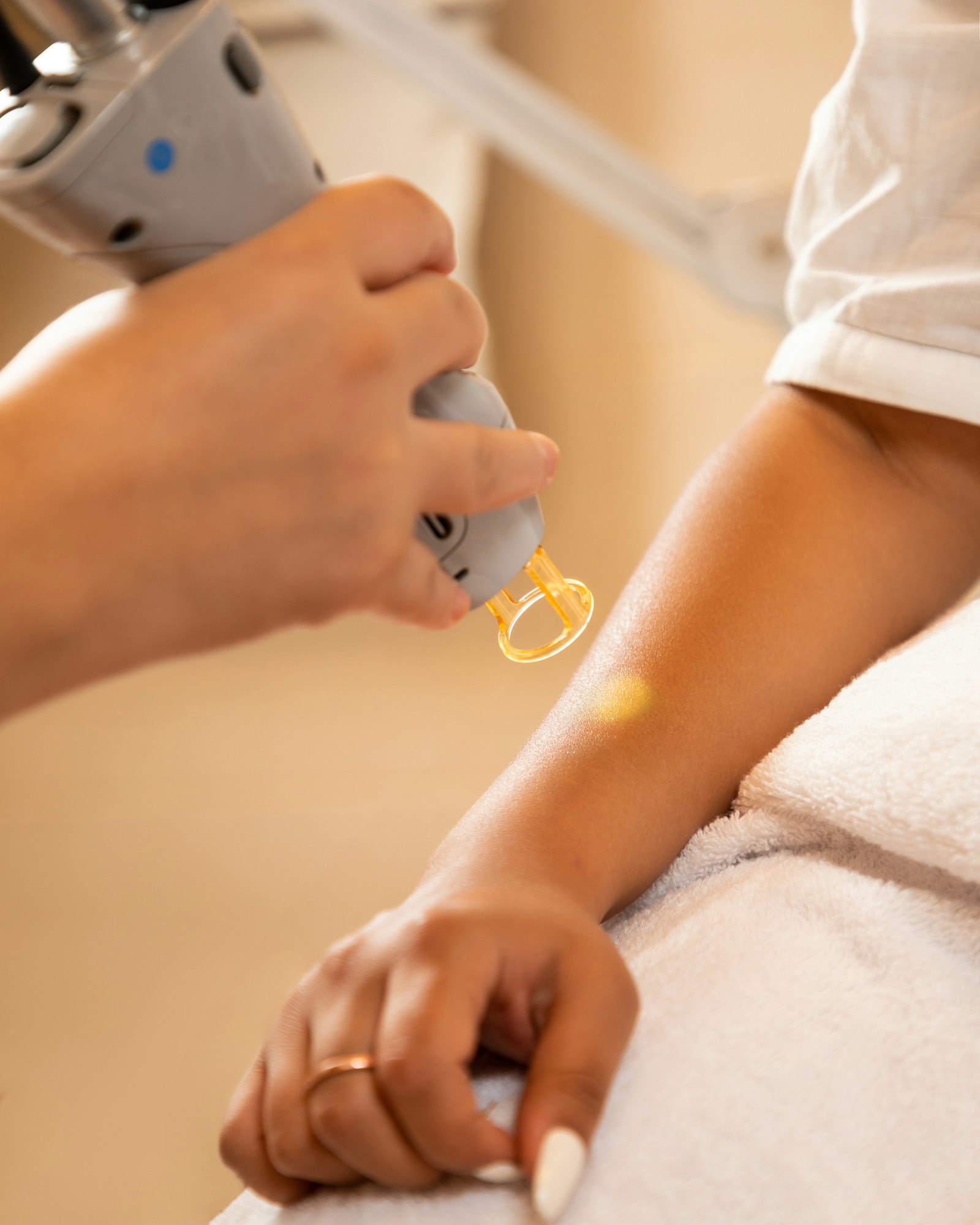
Duration
45–60 minutes
Anaesthesia
Topical numbing cream; local anaesthetic for subcision
Sessions
4–6 sessions, 4 weeks apart, reviewed at the end
Downtime
2–5 days of redness and roughness; bruising after subcision
About this treatment
What it does
Treatment for active acne and for what it leaves behind. The two are different problems: the first is inflammatory, the second is a collagen defect, and they are treated in that order.
How it works
Active acne is settled first with medical therapy and gentle procedures. Scarring is then remodelled — microneedling, fractional laser or subcision break the tethering and drive new collagen into the depression.
What to expect
Gradual across the course; scar remodelling continues for 6 months after the last session. Downtime: 2–5 days of redness and roughness; bruising after subcision. Typically 4–6 sessions, 4 weeks apart, reviewed at the end.
Looking after it
Barrier repair only for 5 days — no actives. SPF 50 daily, reapplied, throughout the course. Do not pick; scarring is what you are here to fix.
Options
Active acne protocol
Medical management with supporting procedures
- Popular
Scar revision course
6 sessions, 4 weeks apart
Combination
Subcision for tethered scars plus resurfacing
No price is listed on this page. The treatment plan and its cost come from the doctor after an assessment.
Who it suits
- Active breakouts, or the marks and pits they left behind
- You have tried strong products and the skin is now sensitive too
- You want the medical problem settled before anything cosmetic runs
Before & after
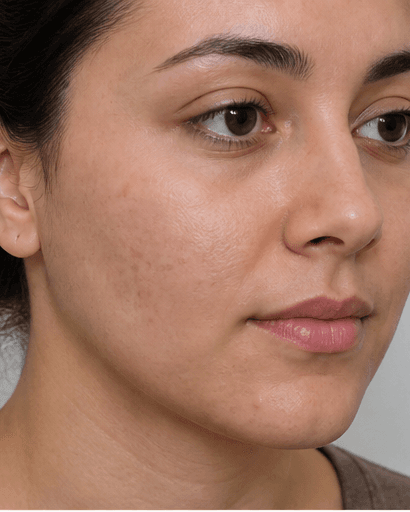
Drag the handle across each photograph to compare.
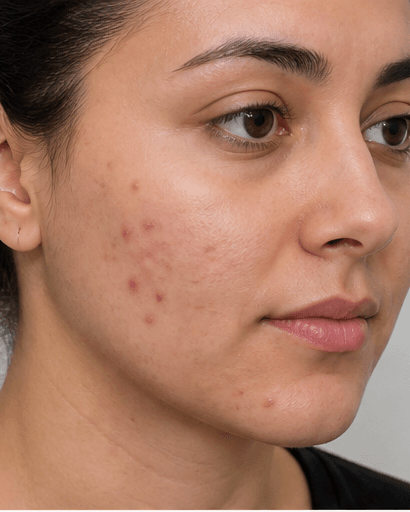
Hormonal Acne Assessment
Hormonal Acne Assessment · illustrative comparison 1
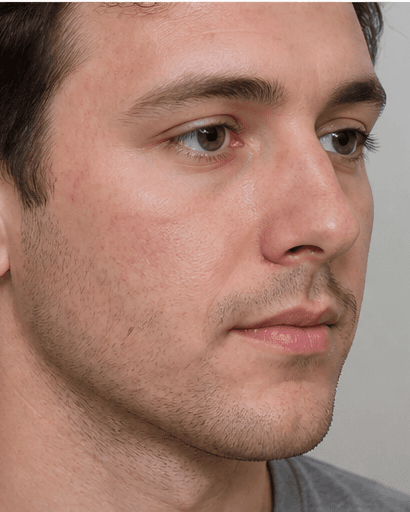
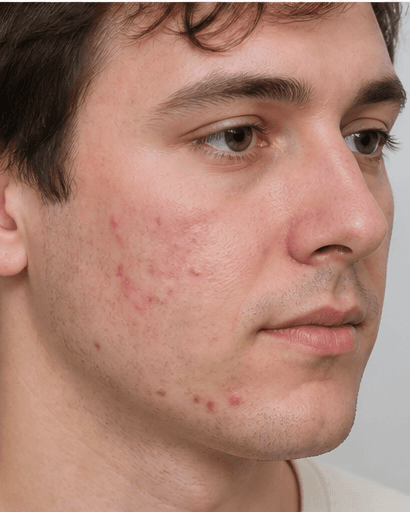
Hormonal Acne Assessment
Hormonal Acne Assessment · illustrative comparison 2
Illustrative comparisons. These show the kind of change each course is aimed at; they are not photographs of BluDerma clients and will be replaced by consented client images. Results vary: the session counts and timeframes shown are typical, not a promise.
Safety & aftercare
Precautions
- Tell the doctor about every medicine and supplement you take, including blood thinners and isotretinoin.
- Avoid alcohol and blood-thinning painkillers for 24 hours before and after, unless prescribed.
- Sun exposure before or after the treatment increases the risk of pigmentation — use SPF 50 daily.
- Reschedule if the treatment area has an active infection, cold sore or open wound.
Possible side effects
- Redness, swelling and pinpoint bleeding on the day
- Temporary worsening of pigmentation in deeper skin tones
- Bruising, particularly after subcision
- A short flare of breakouts in the first weeks
Not suitable if
- Isotretinoin within the last 6 months, for resurfacing
- Active infection or cold sores in the area
- Keloid scarring tendency, without a test patch
Aftercare
- Barrier repair only for 5 days — no actives
- SPF 50 daily, reapplied, throughout the course
- Do not pick; scarring is what you are here to fix
General information, not medical advice and not a diagnosis. What suits your skin, at what depth and over how many sessions, is decided by a doctor after an examination.
Hormonal Acne Assessment
Plan and cost come from the doctor, after an assessment.